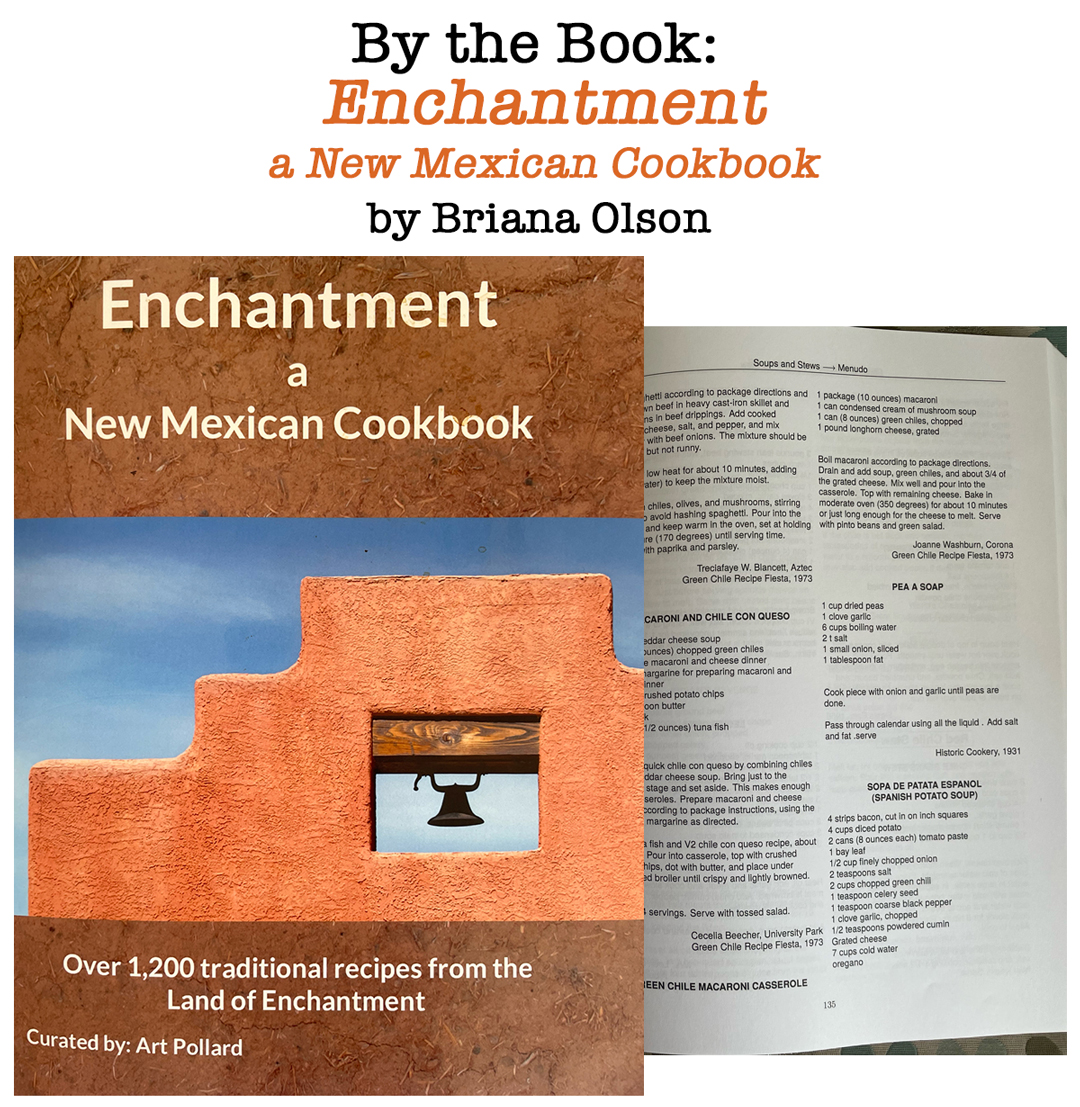
Enchantment: a New Mexican Cookbook
Curated by Art Pollard
Confession: My partner cooks most of the New Mexican food served in my house (or brought to potluck dinners, for that matter). His first job was at a restaurant in northern New Mexico, and even if they didn’t prepare their own chile, he was introduced early to the art of making enchiladas for a crowd. He’s honed his sauces, like many a New Mexican, without a cookbook, using recipes developed through years of observation, gathering tips from family and friends, and, of course, practice. Ask him how long you’ll need to make green chile or bake enchiladas, and he’ll likely shrug and say “as long as it takes” or “until they’re done.” Ask him how much of this or that ingredient to use, and the answer will probably be “enough.”
That’s one reason I haven’t really cooked from Enchantment: a New Mexican Cookbook. The other reason is, well, it’s not really a cookbook, at least not in the modern sense of the term. The byline—”curated by Art Pollard”—offers a tip as to what the book really is, which is a sort of inventory of all manner of recipes that have been prepared at one time or another in a home kitchen (as well as a few infamous restaurants) in New Mexico. Quite a few of the recipes come from a handful of well-known cookbooks published in the first third or so of the twentieth century (some of them out of print); some come from more recent cookbooks (all with permission, I have been assured), such as Great Green Chili Cooking Classic, a relic of the Albuquerque Tribune.
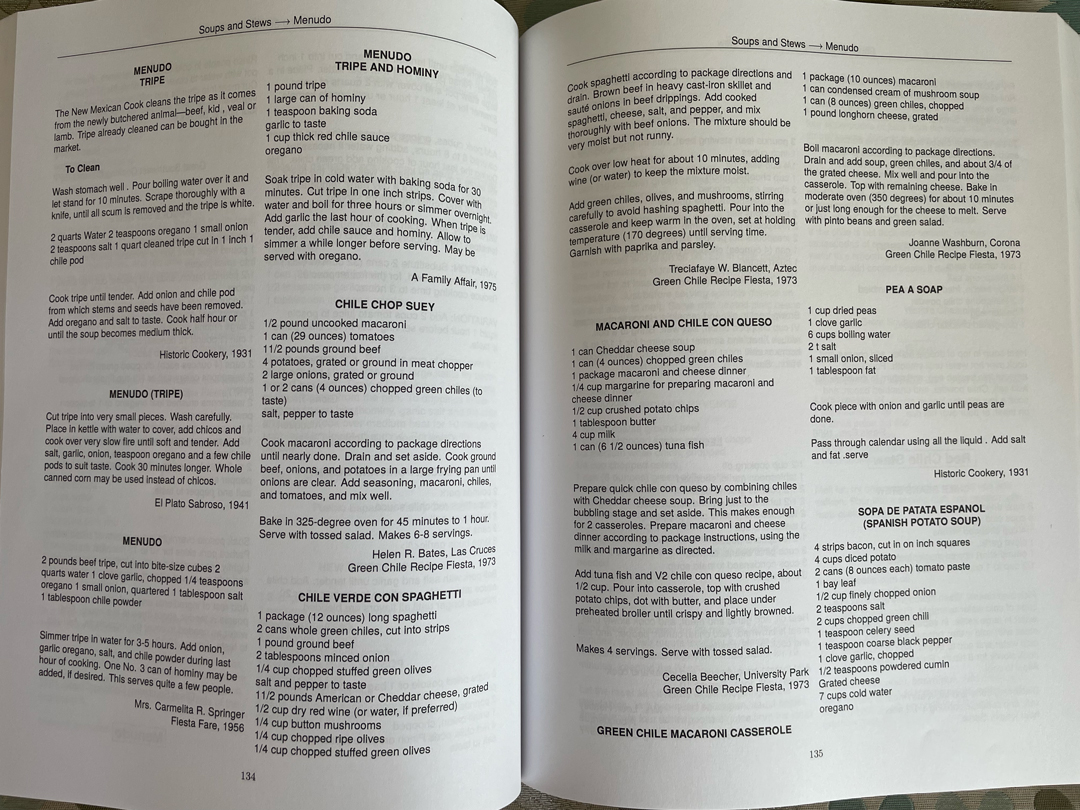
Perusing these recipes, I was reminded of a dinner series, Arte de Cocina, that my grandmother participated in during the 1980s in Albuquerque. For each dinner, photocopies of the typed (yes! on a typewriter!) menu were handed out to guests, including recipes for most of the dishes served. Were the recipes New Mexican? If the inclusion of chopped green chile in cream cheese roll-ups makes it so, then yes. The same principle seems to apply to recipes for Surprise Dip (chopped olives, chopped green chile, and sour cream) and Gay Divorcee Dip, both included in Pollard’s “Misc. Dips” section. (Lest you think olives disqualify the former, consider that olives appear in a red chile enchilada recipe as old as Erna Fergusson’s 1934 Mexican Cookbook.)
Probably my favorite thing about this collection is one of a few factors that make it less than utilitarian: the repetition. There are, for instance, no fewer than eleven recipes for guacamole, four for meat loaf, and at least a dozen for tacos. While this is far from practical if you’re looking for advice on how to make the best tacos, it underlines one of the arguments Denise Chávez makes in A Taco Testimony: Tacos take many shapes and sizes. Also, just about anything folded or rolled into a corn tortilla can be considered a taco—but there are limits, and there is, most certainly (and sadly), such a thing as a bad taco.
If you’re patient, you can root through to find instructive gems, such as the basics of frying taco shells, tips on preventing your guacamole from turning brown, or even how to nixtamalize corn for masa, as well as recipes for less popularized dishes, like those made with verdolagas and quelites. Those tidbits are not always formatted for optimal legibility, however, and, given that they’re printed exactly as they were printed in 1916 or 1934 or 1977, some may seem dated, both in language and in ingredients or approach. The uncertain cook might be flummoxed by recipes that offer contradicting cook times for posole or forgo times altogether, but then again, what use is a cook time if you don’t know to ignore it and cook those chicos till they’re done? In short, Enchantment is the opposite of anything produced by America’s Test Kitchen—and therein lies its charm.
Yes, you can consult this book for cooking, as many people with dog-eared copies of A Family Affair and Historic Cookery do, and maybe you’ll even find that it contains the key to your favorite albondigas. Above all, though, this is a book documenting the idiosyncrasies of home cooks and how tastes have changed over time. The sheer number of casseroles and savory pies is impressive, and, for anyone who grew up in the Land of Entrapment (as the kids say), the frequent appearance of cream of mushroom soup is bound to bring back memories, although not necessarily good ones. In fact, if you’re writing a dissertation on the American casserole, this cookbook will come in very handy. It would also be a valuable source if your prospective title is something along the lines of “New Mexican Cooking and the Notion of Authenticity.” (If that’s the case, I also recommend hitting the Special Collections Library in Albuquerque, home to a solid selection of both new and old New Mexican cookbooks—and housed in a beautiful example of Pueblo revival architecture besides.) It might also do you if you’re just a curious nerd, or if you simply need backup the next time you’re arguing with some guacamole purist at a dinner party. But be forewarned: Said purist might already have a copy.
Who’s Your Source?
Given the era in which some of these recipes were adapted and devised, more than a few call for canned green chile. But you’re not going to stoop to such levels, right? Not when you can pull up to the Fruit Basket or the Chile Konnection or Rosales Produce and inhale the official state smell while you wait for the staff to deliver a garbage sack full of freshly roasted, New Mexico-grown green chile to the back of your car, where occasional whiffs will keep hitting you for at least a couple weeks, reminding you that, despite whatever petty complaints you may have, you live in a beautiful, rich place? Just remember to grab a box of freezer bags—usually for sale at the chile roasting venue—before you head home to process them.
If you don’t know the drill, the subsequent process is as follows: Let the chiles cool until you can handle them without burning your hands. While you’re waiting, use a sharpie to label your freezer bags with the year and the type of chile—at the least, mark the heat level. Some people like it peeled, some like it chopped, but I prefer leaving the chiles whole and intact to preserve as much flavor as possible. Then pack the chiles into bags, row them up on a cookie sheet or in a large baking dish, and transfer them to the chest freezer you’ve acquired to support your chile habit. Of course, a regular freezer will do, too, just don’t plan on keeping much else in it until you’ve split your chile stash with a sister or friend.
Once you’re done, consider following the advice of one of our readers, and use a dash of the green chile liquid from the bottom of the bag in place of olive juice for your next dirty martini.
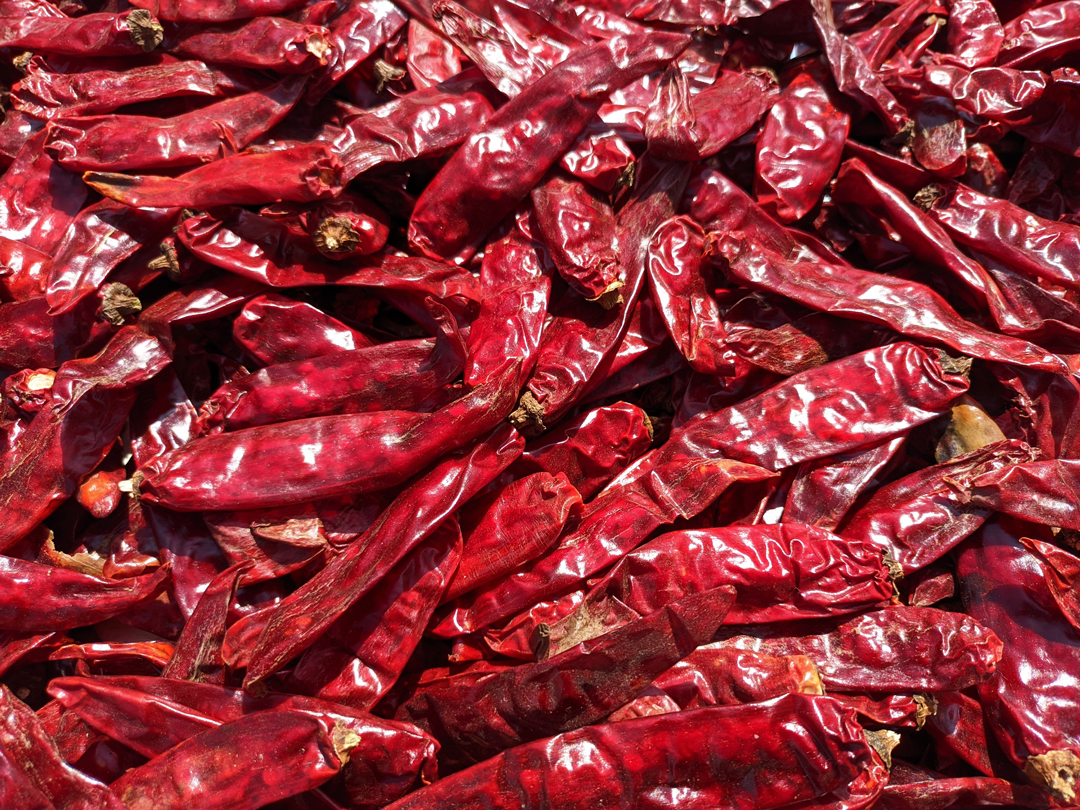
If you’re going red, many of the recipes in this book call for chile powder, which can be procured at a number of the venues listed in the local sourcing guide at the end of Enchantment. Jesus Guzman and Magos Farms also sell chile powder at the Santa Fe and Albuquerque farmers’ markets, to name just a couple local producers who do direct sales. Of course, old timers will tell you you’ve gotta use pods to make proper chile, and many purveyors of fresh roasted green chile also offer sacks of dried red chile pods. Mexican markets like El Paisano in Santa Fe and Española and El Mezquite in Albuquerque also sell dried chiles, although depending on the season, their selections might lean Mexican.
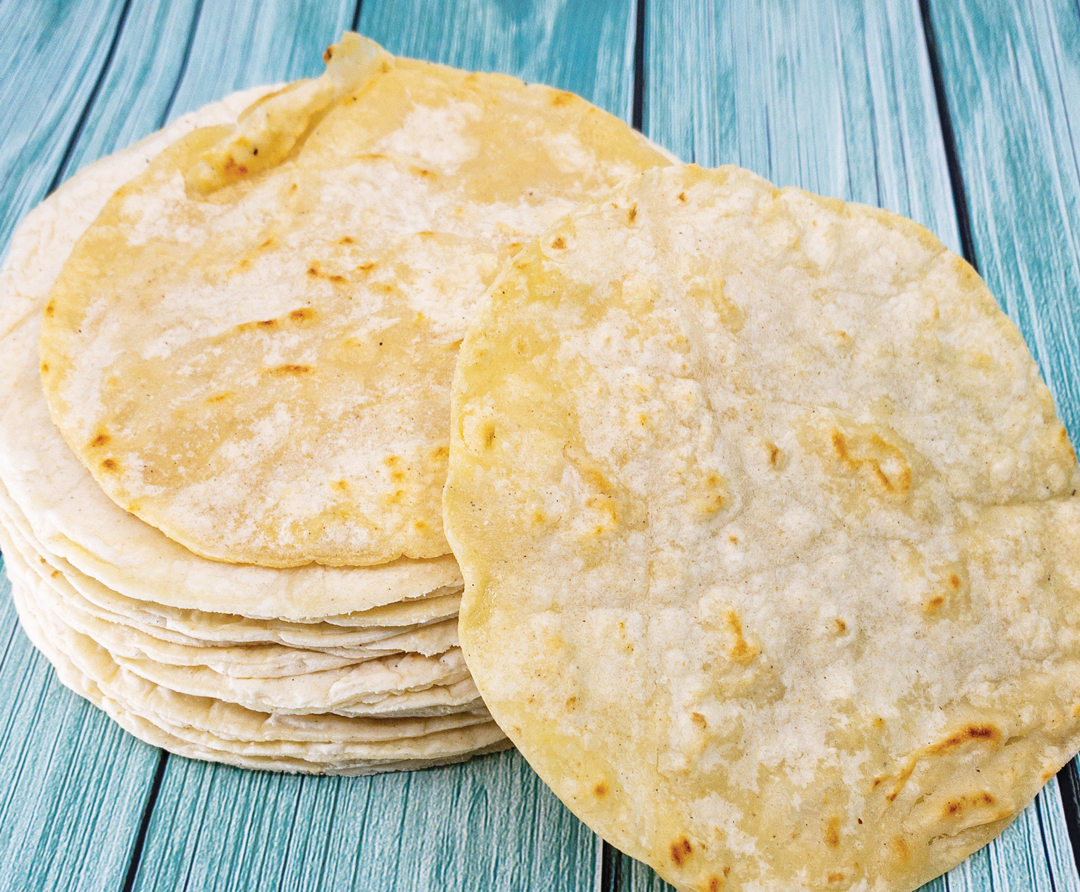
El Paisano and El Mezquite also sell fresh tortillas, both flour and corn, but if I can, I buy the latter from a tortilleria (there’s Cuauhtemoc in Albuquerque and Alicia’s in Santa Fe, among others). La Mexicana Tortilla Co. stocks chile, beans, and tortilla chips as well as tortillas, and the flour tortillas from Barelas Coffee House and Frontier (in Albuquerque) and Charlie’s (in Las Vegas) all have dedicated followings.
Masa for tortillas or tamales can be purchased at most tortillerias, including Las Abuelitas in Santa Fe, as well as at El Modelo and El Super in Albuquerque. Note that “masa preparada” means masa for tamales, with the fat (usually lard) already integrated into the dough. If you want to use a vegetarian fat or a locally produced, nonhydrogenated lard, buy “masa para tortillas” and prepare it for tamales yourself.
And if you want to make your own tortillas without making a same-day trip to pick up fresh masa, you can find masa harina (literally “dough flour,” a finely ground flour from nixtamalized corn, which sets it apart from cornmeal) at many of the aforementioned shops. But I like to order it from Masienda, which trafficks in heirloom corn and has been a key player in reviving (and protecting) traditional corn and the people who grow it.

Briana Olson
Briana Olson is a writer and the editor of edible New Mexico and The Bite. She lives in Albuquerque.