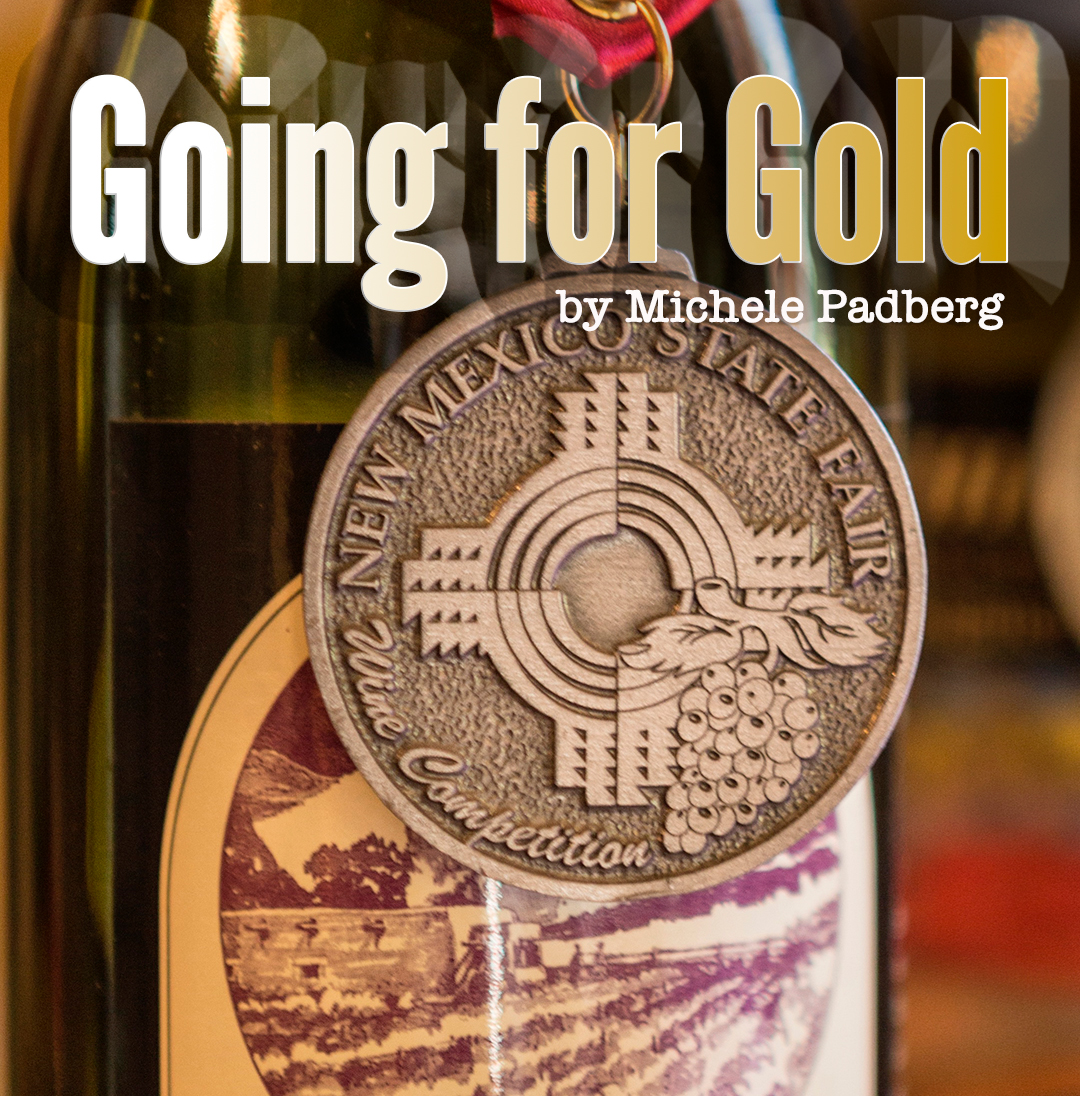
Photo courtesy of New Mexico Wine.
What is often considered the first wine competition—the Battle of the Wines, organized by King Philip Augustus of France and documented in a poem by Henry d’Andeli in 1224—was hardly what we picture as a proper competition today. Drunken debauchery, sword fighting, and the king proclaiming his personal favorite the winner are all things of the past . . . mostly. I have judged at wine competitions in six different countries, all with wildly differing intentions and levels of professionalism. Some are run seamlessly and are excellent to participate in; others, not so much. I’ve seen a gentleman nearly fall out of his seat after drinking each and every sample he was meant to judge. I have witnessed a man storm out of the room after verbally sword fighting another judge over a wine’s attributes, and I have had the displeasure of watching in disbelief as a head judge submitted the table’s score edited to show his preference. Over the years, I have learned to select the competitions that are run well, prioritize a professional environment, and ensure that the judging is high quality. A truly great competition gives a wine merit for winning a medal, promotes the winners in a way that results in sales and notoriety, and is also a pleasant experience for the judges.
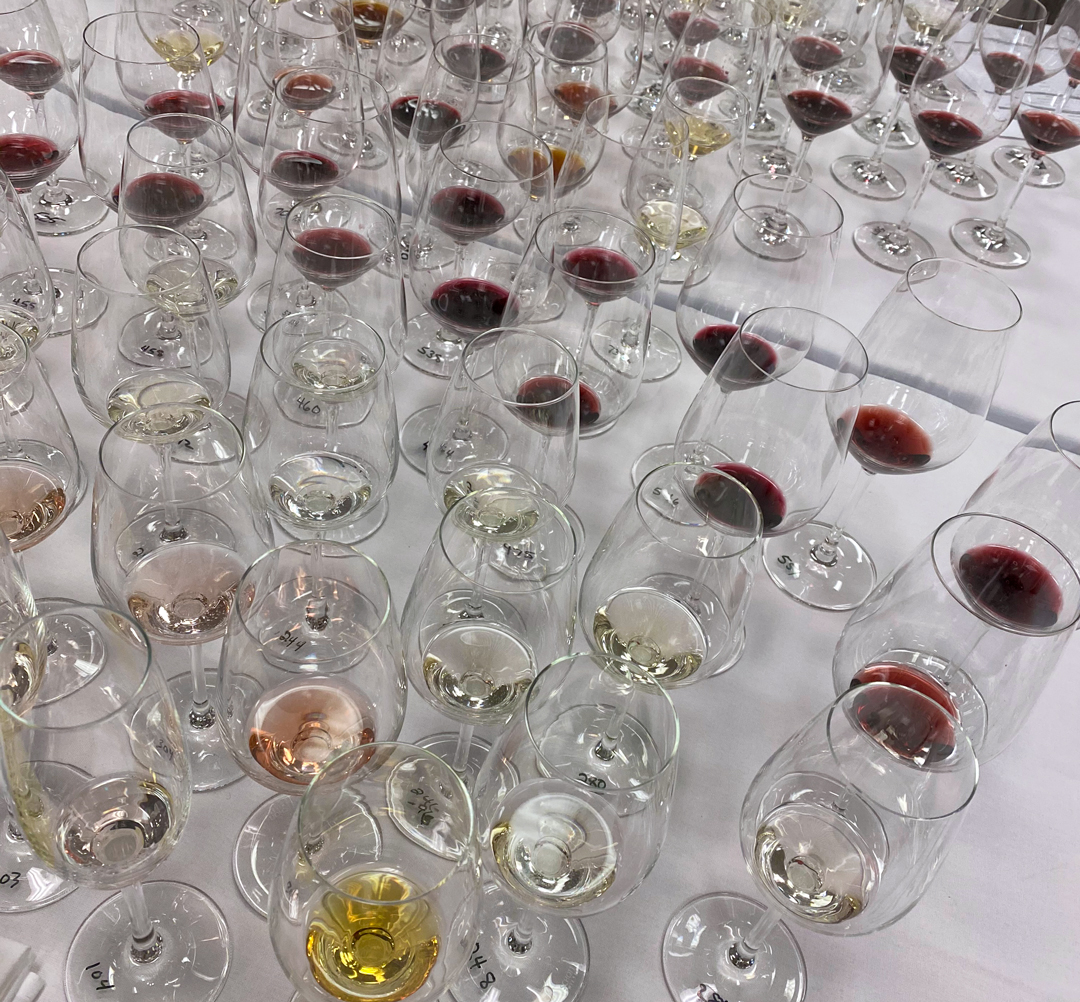
Photo by Michele Padberg.
New Mexico will celebrate its four-hundredth anniversary of wine production in 2029, yet many wine drinkers continue to shy away from what I consider to be the Land of Enchantment’s most enchanting class of beverages. Fifty years ago, New Mexico wines played to the sweet tooth, sometimes using sweetness to cover up poor quality; today, many wineries have stepped up to the plate and are crafting serious, world-class wines. Now, through hosting its own professional wine competitions, New Mexico is working to help those world-class wines get noticed.
The New Mexico State Fair Wine Competition has been run with love and care by the nonprofit New Mexico Vine & Wine Society since 1976. Largely a volunteer effort, the competition grew out of Vine & Wine’s mission to promote viticulture and grow community among winemakers, both professional and amateur, in New Mexico. Unfortunately, the state fair competition has struggled to break free from a reputation of being slanted toward the sweet wines and has been criticized for its lack of professional judges. Starting this year, the New Mexico Wine & Grape Growers Association (a.k.a. New Mexico Wine) is taking the reins. Joy Anna McCartney, the new director of the competition, hopes to rebuild it to have a strong successful base, expand participation, and, in time, invite wineries from bordering states to participate. McCartney says she wants to “elevate the overall recognition of New Mexico as a historic and dynamic wine region.”
Competitions, especially the ones run meticulously with skilled judges, can bring honor to the winemaker’s craft. A medal awarded at an elite competition will not only be an official pat on the back but will boost sales—everyone wants to be the person drinking the gold-medal wines.
Photos by Michele Padberg.
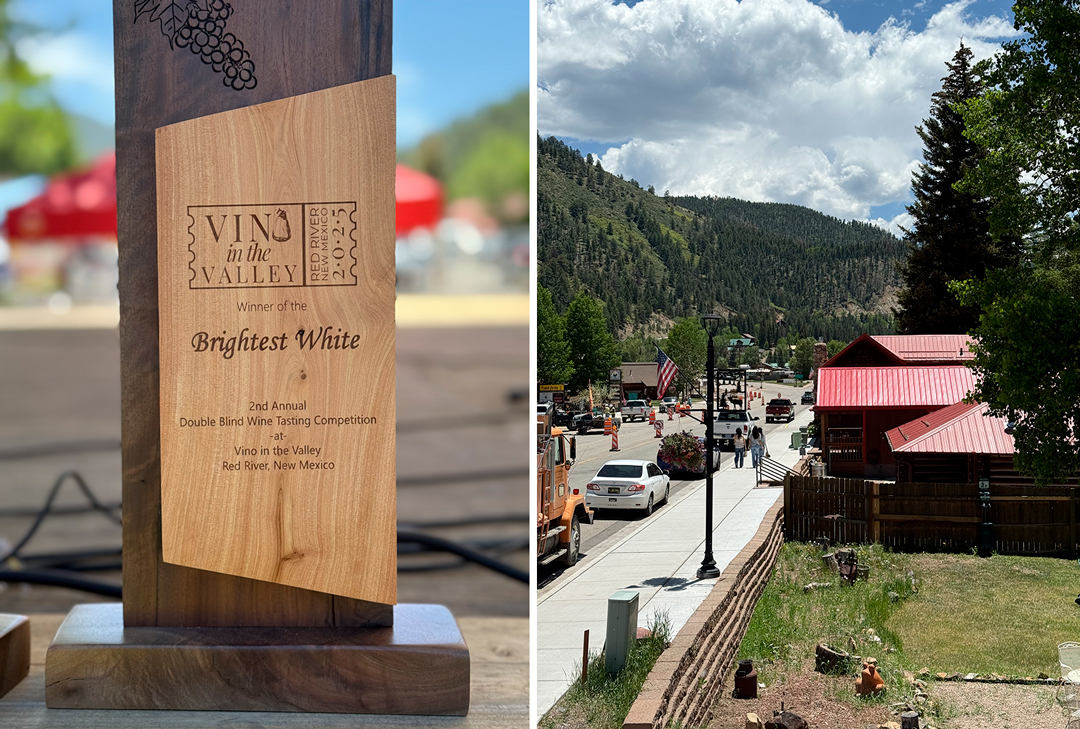
Naoma STaley, a fierce advocate for New Mexico wine and CEO of the Red River Chamber of Commerce, understands this. Three years ago, she started the Vino in the Valley Wine Competition in conjunction with the post-pandemic makeover of Red River’s annual Vino in the Valley festival. Her goal, she said, was to give legitimacy to the wines featured there and encourage wine enthusiasts to take them seriously. What she is really doing right, from a judge’s perspective, is taking on a sharp learning curve and making huge (and successful!) alterations each year. Already, the competition has grown from relying on volunteer judges based in the small mountain town to contracting vetted wine professionals and tightening the protocols, such as better glassware and more defined judging sheets, that guide the competition. In record time, STaley has learned what makes a great competition. This year’s competition, with a focus on rosé wines, is open to all New Mexico wineries, not just those participating in the festival. STaley is also increasing the number of judges in order to offer even more thoughtful feedback to participating wineries.
Arguably, it is the quality of judging that makes a competition legitimate, and this was a central focus as New Mexico Wine geared up for their first year managing the state fair competition. McCartney said they were prioritizing judges with deeper wine knowledge and formal certificates in order to ensure that wineries can trust that the results are both reliable and meaningful. Chris Goblet, executive director of New Mexico Wine, said he was excited about inviting local wine buyers and sommeliers to participate in judging. He hopes they will be able to experience firsthand how stellar state-produced wines are and, as a result, change the conversation about purchasing local wines for shops and restaurants—including high-end dining destinations. Goblet also aims to showcase the Best of Show winners at the wine bar in the Agriculture Building at the fairgrounds, a space that will receive a $15,000 renovation and expansion in 2027.
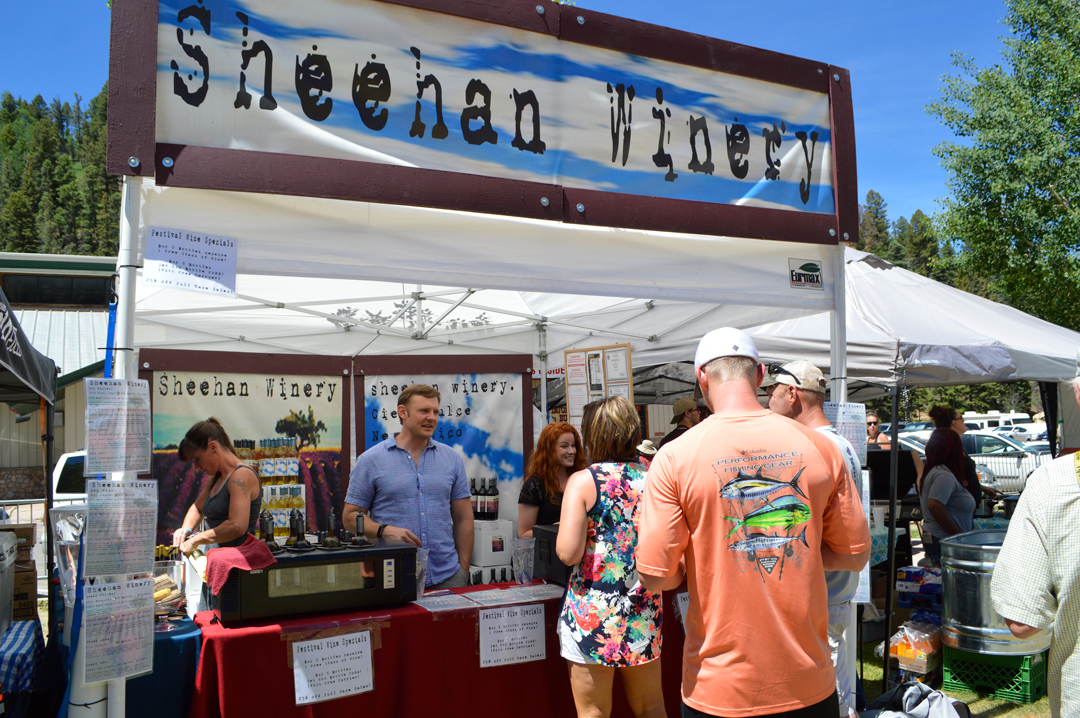
Photo courtesy of Naoma STaley.
What do the winemakers think? Are they excited about these developments? Sean Sheehan of Sheehan Winery, who as a board member of New Mexico Wine has been involved in redefining the competition, said that he hoped the restructuring of rules and increased caliber of judges would encourage more wineries to participate. Unlike in the past, wineries will be limited in total entries and in entries per category, with the aim of evening the playing field in, say, the merlot contest, and so drawing more winemakers to enter. Sheehan’s wines have dominated the Gold Medal category of the state fair competition for years, but he envisions a future competition with more varied winery involvement. “My long-term goal,” he said, “is to see every winery in the state participating, earning recognition, and celebrating excellence through this annual event.”
While some wineries that previously did not participate were quick to sign on for this year’s competition, it may take time (and trust) to reach Sheehan’s goal of full industry support. To entice broader participation, the first two entries are free, there promise to be qualified judges, and the competition plans to support winners in new and beneficial ways (help with marketing, for instance)—so why is there still hesitation in the air? Jesse Padberg, my husband and co-winemaker at Vivác Winery (where I am also a co-owner), is among those who remain reluctant to enter. As a longtime board member of New Mexico Wine, he is in favor of the changes and even assisted the team in crafting the new rules, but chose not to participate this year. He says he wants to see what comes of the competition as it shifts and will consider entering as he witnesses that it keeps its promised changes.
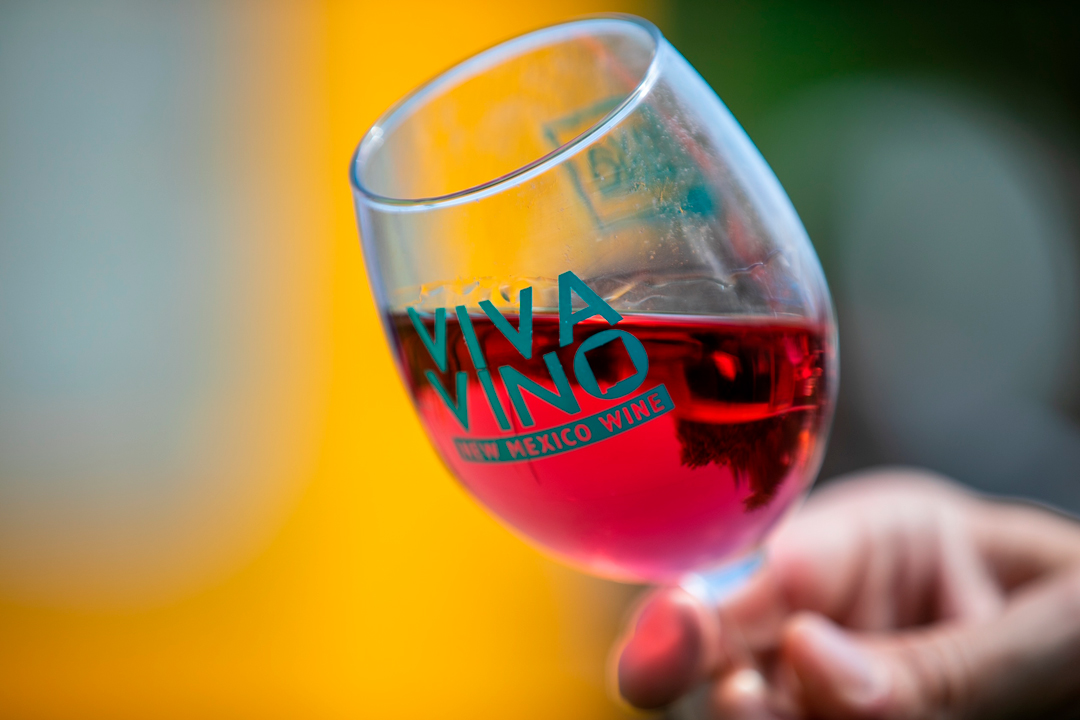
Photo courtesy of New Mexico Wine.
As an advocate for New Mexico wine, I recognize this shift as a giant step toward showing that the state’s wine industry is not only capable of making some of the world’s best wines but is ready to prove it. Find out for yourself by sampling the winning wines at Vino in the Valley, June 19–21, or when winners of the rebooted state fair competition are posted and featured at the Viva Vino Wine Studio later this summer.

Michele Padberg
Michele Padberg, a native New Mexican, is an advanced sommelier, international wine judge, and co-owner of Vivác Winery. A member of the Circle of Wine Writers and the Association of Wine Educators, she was a contributor and editor for the e-book The New Normal in the Wine World. She has been working in the wine industry for more than twenty-three years. Find her at michelepadberg.wixsite.com/winefirst.